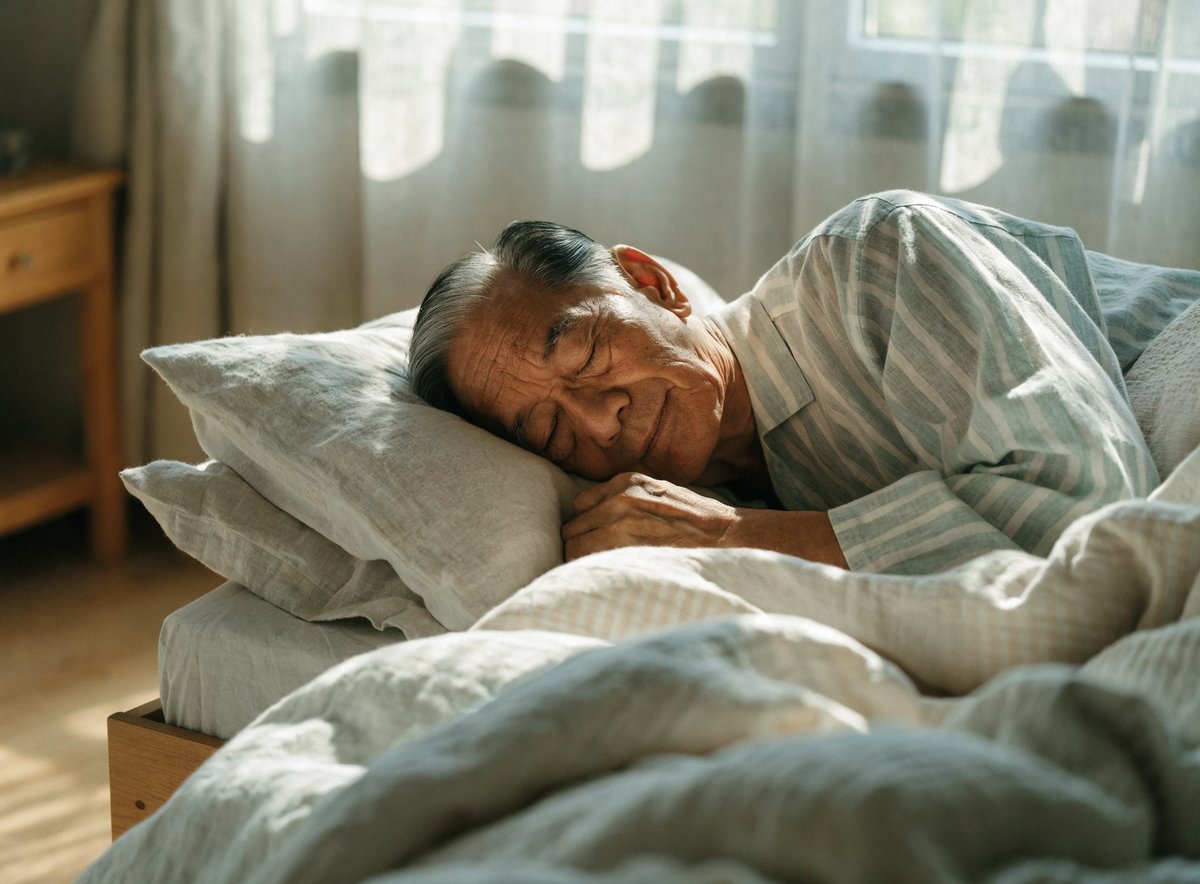
Of all seven steps, this is the one people skip first — because compared to a workout or a meal plan, sleep feels passive. You're not doing anything. That's exactly why it gets deprioritised, and exactly why skipping it quietly undoes the other six steps.
Your body doesn't get stronger during the workout. It gets stronger after it.
Training creates the stimulus. Sleep is when the actual repair happens — muscle rebuilding, memory consolidation, and the hormonal reset that regulates appetite and recovery for the next day. Someone who trains hard and sleeps poorly isn't getting a partial result. In a lot of cases, they're getting close to no result at all, and wondering why the training "isn't working."
Stress works the same way, just slower
Chronic stress doesn't announce itself as loudly as poor sleep does, but it works on the same systems — blood pressure, immune function, and long-term health all move in the wrong direction under sustained stress. It's not something to power through as a personality trait. It's a physiological cost that accumulates.
This is measurable, not just a feeling
We use the Pittsburgh Sleep Quality Index (PSQI), a validated and widely used measure, because sleep quality is more than just hours in bed. Disturbances, how long it takes you to fall asleep, and how you actually function the next day all factor in — and all of them are things you can improve, once you know where the problem actually sits.
You can do everything else right and still stall here
I've watched people nail their movement, their strength training, and their nutrition, and still plateau — because recovery was the one step they treated as optional. It isn't. It's the step that lets the other six actually take effect.