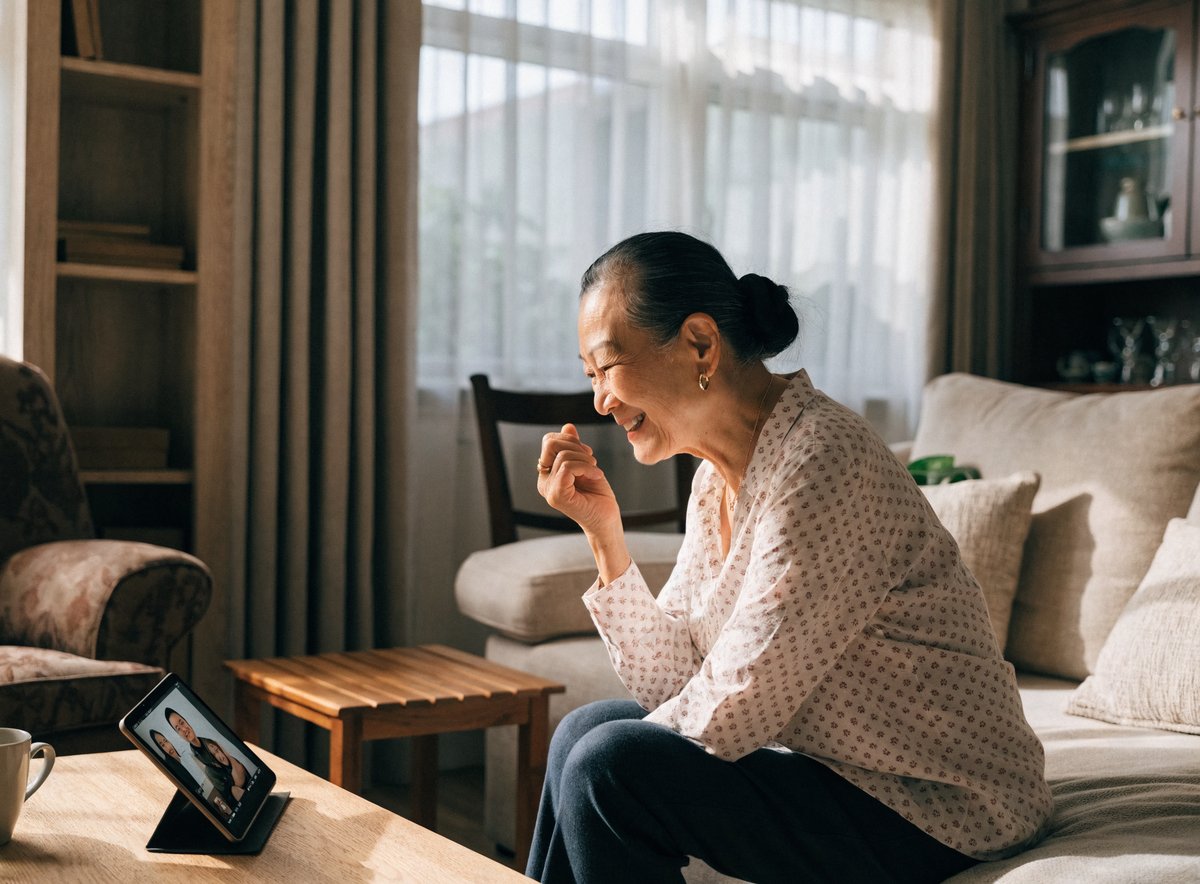
One way social workers in Singapore sometimes assess whether an older person may be vulnerable is to ask a simple question: how many people can you call if you need help?
That question reveals something most people spend decades ignoring.
We invest in everything except this
Many people spend years building financial security while quietly assuming relationships will sort themselves out later — that there'll be time for that after the career, after the kids are grown, after retirement. But later doesn't reliably arrive with the relationships intact. It arrives with whoever you actually stayed close to.
The evidence here isn't gentle
Loneliness and social isolation are associated with higher risks of depression, heart disease, cognitive decline, and premature death — in some research, isolation carries a health cost comparable to obesity. Meanwhile, supportive relationships are linked to better outcomes across nearly every measure we track. This isn't a soft, feel-good add-on to healthy ageing. It's one of the harder-edged risk factors we have data for.
Stay in the shoal
I once heard it put this way: the banana that gets plucked from the bunch is the first to be eaten. It's no different for us. People in their 60s will tell you, without fail, that they're starting to lose friends and colleagues to time — which makes it more urgent, not less, to keep building new connections, not just maintaining the old ones.
Start today, not eventually
Pull up your recent call list. Compare it to the people who actually matter most to you. Notice the gap. Then close it — a call, a shared meal, or simply showing up.